
01
Hardware protocol paths
Move TCP/UDP, MAC/PCS and DMA paths into FPGA to reduce software stack variance.
ANNHOO / TECHNOLOGY
We shorten and stabilize critical financial trading paths through hardware acceleration, low-latency networking, engineering validation and production observability.
FPGA / GPU / OPTICS / OBSERVABILITY
01 / SYSTEM ARCHITECTURE
We start from real trading paths to decide which processing belongs in FPGA, which workloads fit GPU, and which problems need network tuning or production observability.
Move critical TCP/UDP, MAC/PCS and DMA processing into FPGA to shorten protocol paths and reduce software-stack variance.
TCP / UDP · DMA · Hardware protocolsEnd-to-end validation & observability
CAPTURE → REPLAY → METRICS → TRACE02 / ENGINEERING
Average latency is not enough for production. We focus on distribution, jitter, tail behavior and replay pressure tests so every optimization can be reproduced beyond the demo.
Discuss your technical requirementsMove TCP/UDP, MAC/PCS and DMA paths into FPGA to reduce software stack variance.
Measure latency distribution, jitter and repeatable pressure tests, not just averages.
Packet capture, replay, logs, metrics and tracing for real production diagnostics.
Combine IP cores, servers, networks, trading systems and risk rules into deployable products.
03 / RESEARCH DIRECTIONS
From parallel operators to optical transport, we evaluate engineering approaches against workload scale, data paths and deployment constraints.
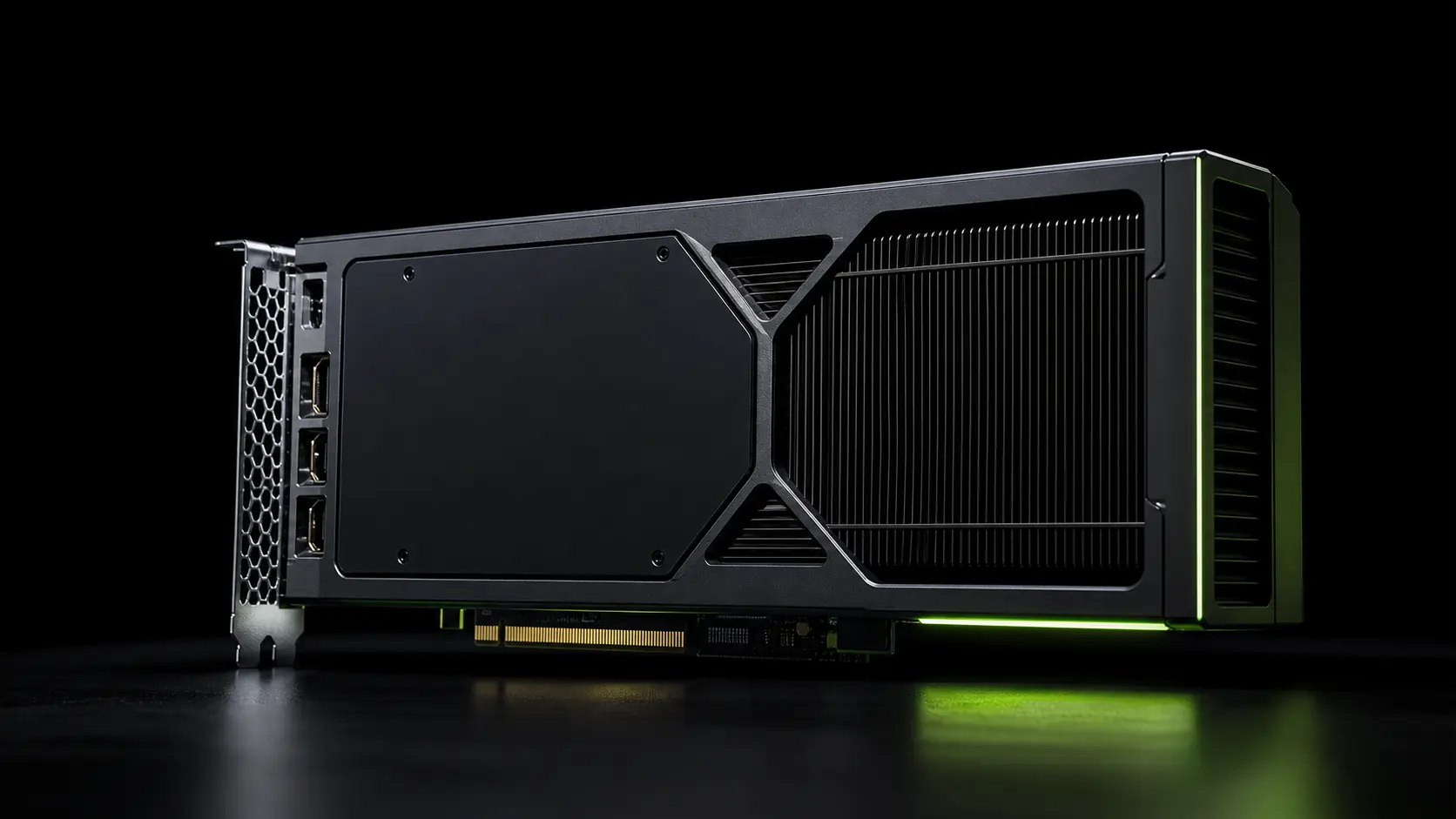
GPU operators
GPU fits large-scale parallel compute at the trading layer: market feature extraction, signal scoring, options pricing, portfolio risk and batch risk checks. FPGA owns the wire-speed path. GPU owns high-throughput operators, so real-time trading and complex compute happen in the right place.
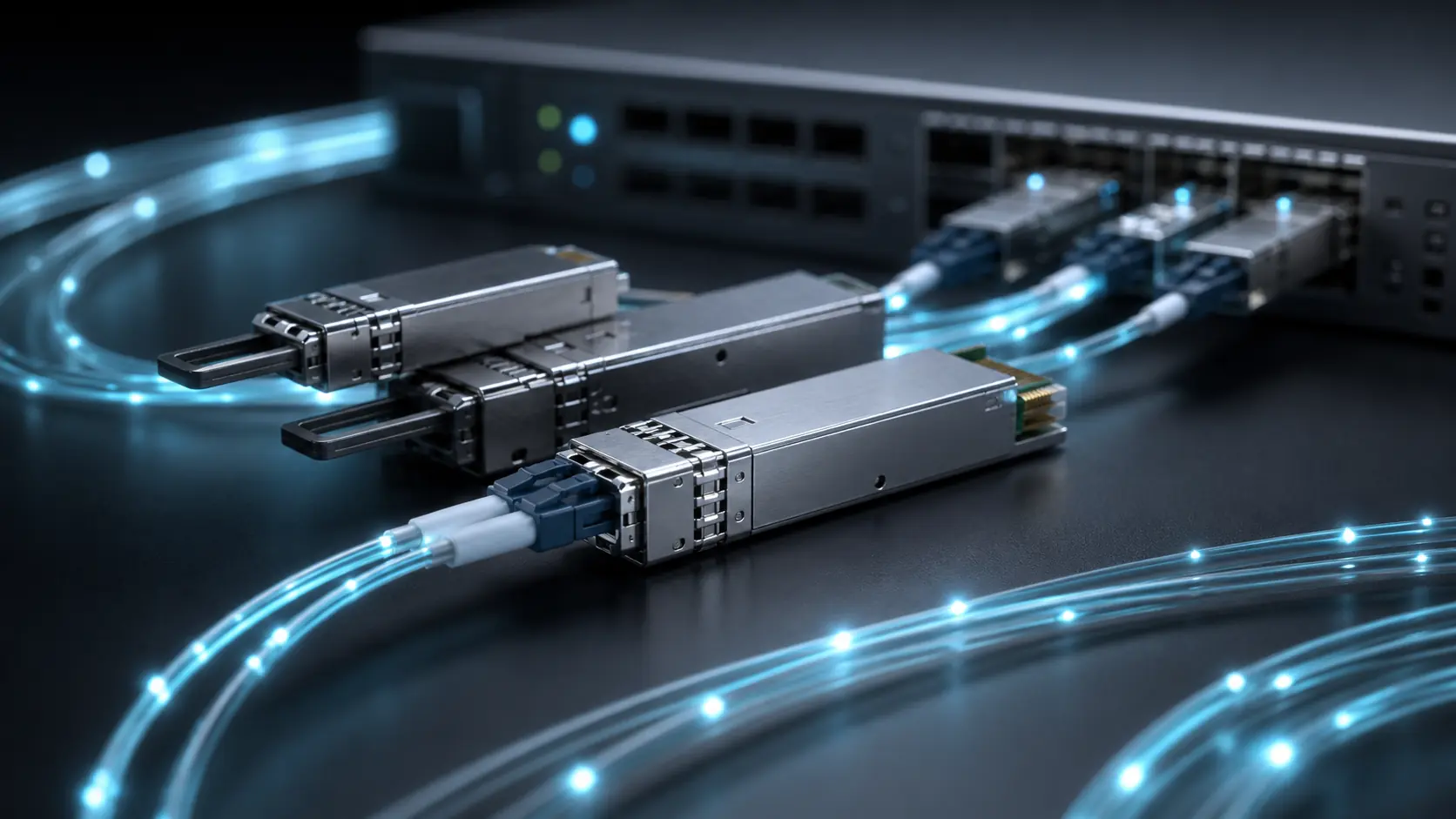
Optical technology
Across low-latency networks, rack interconnects, market data access and cross-device transfer, optical links provide higher bandwidth, lower loss and more stable transmission boundaries. We care about transceivers, optical-electrical conversion, link latency and deployment reliability.
FPGA suits wire-speed critical paths such as protocol processing. GPU suits parallel feature extraction, signal scoring, options pricing and portfolio risk. CPU orchestrates business logic. The allocation depends on data paths, workload scale and deployment conditions.
An average does not fully describe jitter or tail latency. Annhoo uses latency profiles, jitter monitoring, pressure replay and repeatable tests to assess real trading paths under different loads.
Packet capture, replay, logs, metrics and tracing connect diagnostic information from market-data ingress to order output, helping teams locate production issues and validate improvements.